
Priya
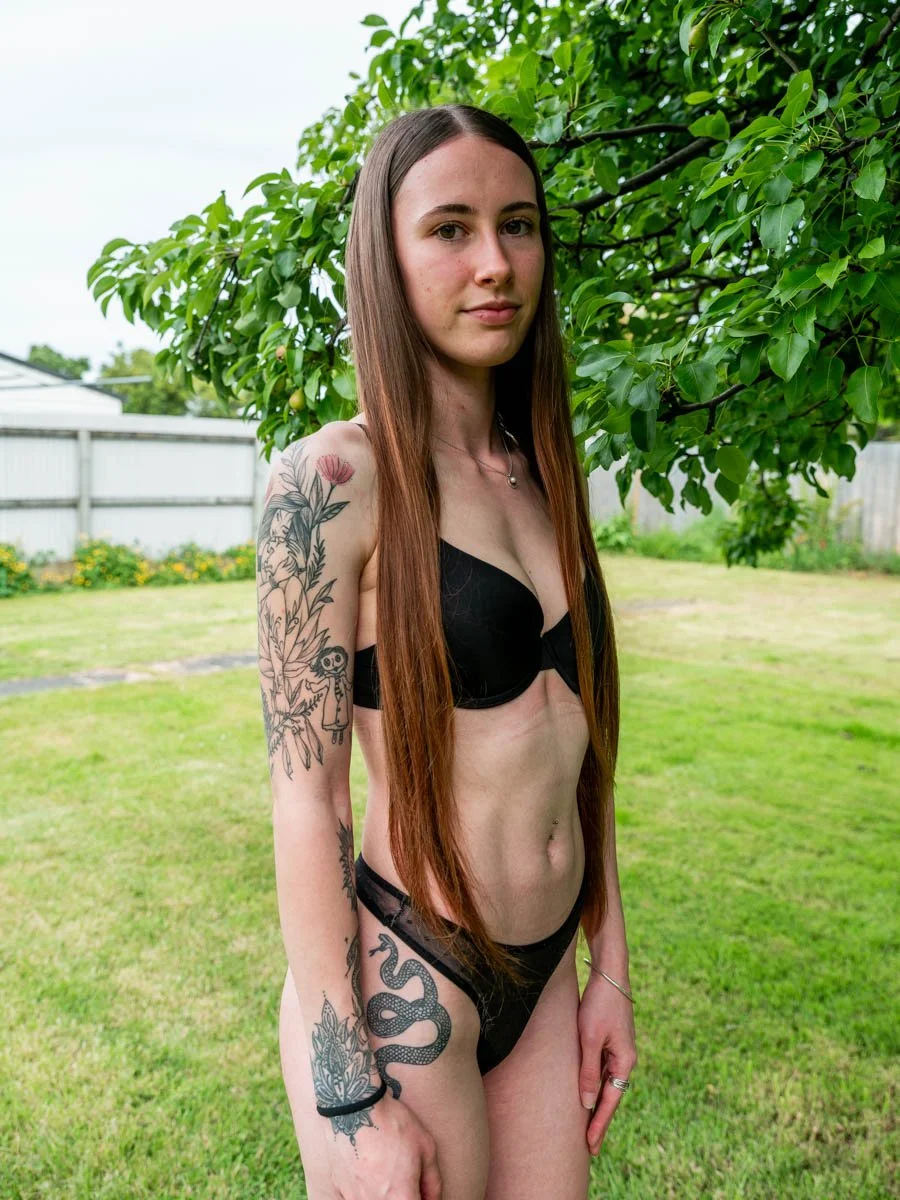
Priya (Ngati Raukawa), 22, Christchurch
Listen to Priya’s Story
Read Priya’s Story
So I had my first period when I was 12, and had pain right from my first period. It was just ongoing, and I think after a couple of months my mom started to get worried because I wasn't being able to go to school and I couldn't really get out of bed.
She was obviously giving me like Panadol and ibuprofen and stuff, but that only helped so much. And so I went to the doctors and he put me on birth control.
So I was on birth control from 12 to 18, and I tried so many different birth controls and none of them agreed for me, so I decided to take myself off birth control when I was 18, and my symptoms just got way worse after I came off the birth control, but I just think it's because the birth control masks all the pain and stuff.
So when I was 18, started getting worse again, started going back to the doctor and basically just begging him to give me things. So I had to go through a process with him. Apparently I had to try a certain amount of medication before he could actually refer me to the gynecologist.
So I was taking things like tranexamic acid, lots of different acids and all that sort of stuff. None of it helped.
He'd said more than once that I was being a hypochondriac 'cause—he, he said it in a joking way. But I don't think he was joking really. Because he would just dismiss everything that I said.
I've been in there crying so many times. Begging him to just give me something that was gonna help or send me to someone who knows about this sort of thing. Yeah. But I was just, yeah, disregarded.
So he finally gave in and referred me to the gynecologist after I begged. And then I had to wait probably a year to see the gynecologist.
The gynecologist was very dismissive and told me, "It doesn't sound like you have endometriosis. Period cramps are normal," rah, di, rah.
But I told him I wasn't walking out of there unless he did something for me. So he'd put me on the list for the ultrasound. I then had to wait for that. The lady that did the ultrasound said everything looked fine, but she's not the specialist.
Had to wait a couple of months, and then when I got in there he said, "No, everything came back normal. There was absolutely no red flags. The only thing that we noticed was you had some slight scarring."
And I asked him, "Well, what does that refer to?" He just told me that it doesn't have anything to do with endometriosis and that it could be caused by other things, and he was just trying to push me back on birth control, which I refused, and I told him I wasn't gonna walk out of there without being put on the waiting list for surgery.
So he did, reluctantly. And then I was on the waiting list for surgery for well over a year.
I had a call, and it was a nurse from the hospital, and she told me they needed to do my pre-surgery appointment. And I said to her, "Well, when will I be getting my surgery? It must be soon."
And she's like, "No, it's probably gonna be another six months."
And I kind of broke down a little bit in that appointment 'cause I'm like, "I've been waiting so freaking long for this." "And now you're telling me another six months. Like, I just want it to be done."
I don't know who she was, but I swear that she somehow pushed for them to do my surgery, 'cause I got a call the week after.
"Can you come in in two days and get your surgery?"
And I was like, "Yep."
And I had no idea what to expect because, one, I was convinced that I was being dramatic, so I didn't have endometriosis. And then two, I didn't know anyone that had had the surgery, so I didn't really know what to expect, so I wasn't at all prepared when I went in.
Woke up from the surgery, and straightaway asked the nurse in the recovery room whether they found it, and she told me that they had, and I just remember being like, "I freaking knew it."
And the gynecologist came and spoke to me, and said, "Look, like, it's eaten away at your nerve here. That's why you get so much pain," rah-di-ra.
But I at least knew that I had endometriosis.
Then they sent me home an hour after my surgery, and my recovery was really long and hard. Took me months to feel somewhat normal again.
I did fall down a bit of a rabbit hole for months after that. My mental health was not good.
I just wish people could understand how painful it really is, but there's really no way to describe the pain. I use all these weird terms like, feels like there's 20 baby elephants inside me all stomping around. Something ripping my insides.
It feels like something's gonna drop out of my butthole, like there's so many ways to describe it, and it just feels like it's all on fire. And like you can't control it.
I don't know, I just wish people could understand how actually painful that it is.
I think the only other thing really that affects my everyday life is the food. Eating anti-inflammatory, that's probably the hardest part.
Because I like eating good anyways, but you just, sometimes you, one, don't have the strength to actually get up and make something good to eat.
You might be out with a group of your friends and they're like, "Oh, shall we go get this for lunch?" And I'm like, "I can't eat that." I can, but I'll be in a lot of pain if I eat that.
But I think the main part of it is the fatigue. I get very fatigued and brain foggy. Like having a job where I have to be quite onto it, it—it does make me feel guilty sometimes.
I always just second guess myself quite often and just need confirmation from people. And my whole body just feels tired. But my whole body is like, "You need to lie down."
It's just working your life around your periods is so difficult.
If someone asks me, or if I have to book something in advance, I'm like, "Oh, let me just check my Flow app and see"—like when's my period due, 'cause I'm always worried that I'm gonna have something on during my period.
Don't take no for an answer. You wouldn't be in there in the first place if there wasn't something wrong.
And it's so misunderstood by general practitioners that you need to see someone who has experience with endometriosis or anything along those lines really, PCOS, anything.
Because a GP doesn't know the ins and outs of stuff like that. They might know general, that it's an issue, but they don't know how to deal with it or how to help you.
But don't take no for an answer because you know something's not right with your body.