
Low-Energy, Screen-Free Creative Ideas for People with Chronic Illness
Something as simple as a flower arrangement can be the perfect amount of creativity to brighten your day. x Ainsley DS Photography
How Gentle Creativity Supports the Nervous System in Chronic Illness
Living with chronic illness can shrink your world.
Energy becomes something you ration, and your body sets limits you never chose. The hobbies, adventures, and simple joys you once took for granted can feel just out of reach.
But thankfully, there is one part of my life I have managed to hold onto with a vice-like grip. And that is creativity.
As someone living with chronic illness, I’ve found gentle creativity to be one of the most reliable tools for calming my nervous system during flare-ups.
Sure, what creativity looks like for me has changed, but it hasn’t disappeared. And it doesn’t have to for you either.
Creativity can adapt, transform, and meet you exactly where you are. Slow, gentle, and accessible, even small creative projects—done for just a few minutes—can lift your mood, calm your mind, and nourish both body and spirit.
It has been such in important part of my healing journey, an activity that has kept me sane in so many rough patches, and the amazing thing is, so much of it is so much easier and accessible than what you might expect.
Why Creativity Matters When You Live with Chronic Illness
If you live with Chronic illness you already know that it affects more than just the body… Fatigue, pain, and unpredictability can take a toll on mood, stress levels, and overall mental health. The good news is that engaging in creative activities, especially low-energy, screen-free projects, can help counteract these effects.
Even brief creative projects- journaling for 10 minutes, doodling, knitting a single row, or painting a small canvas, can reduce stress, boost mood, and improve emotional resilience. Research in Art Therapy and Neuroplasticity shows that these small, repetitive acts help form new neural pathways, supporting cognitive flexibility, emotional regulation, and overall brain health.
Slow, tactile activities also activate the parasympathetic nervous system- the body’s “rest and digest” mode- which promotes calm and restoration. For people living with chronic pain or conditions like Endometriosis, this effect is particularly valuable. Even a few minutes of low-energy creativity can lower cortisol, reduce inflammation, and provide a meaningful sense of control and wellbeing, helping to offset the compounding effects of stress, fatigue, and pain.
Why Screen-Free Creativity Works Best
While technology offers endless “easy” creative possibilities, screen-based projects can:
Increase mental fatigue
Overstimulate the nervous system
Lead to comparison or distraction
Keep the brain in an alert, “on” state
Screen-free creativity, on the other hand:
Engages multiple senses: touch, smell, texture
Encourages presence and mindfulness
Supports nervous system regulation
Feels slower, gentler, and more restorative
For people with chronic illness, these benefits are invaluable. Slow, tactile creation meets your body where it’s at.
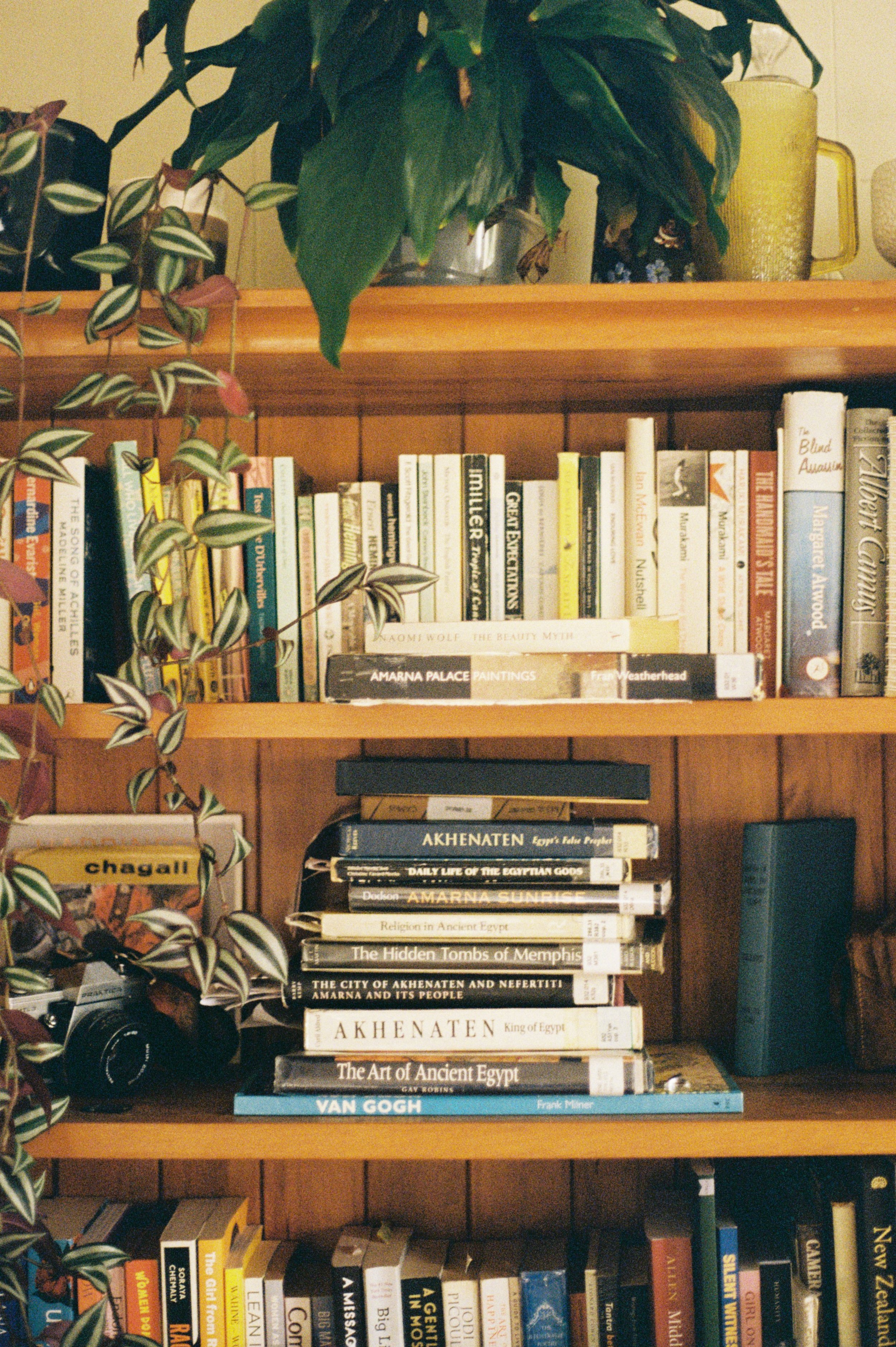
Sometimes analogue is truly the best way to reset your brain.
Low-Energy Creative Ideas for Chronic Illness
Here’s a collection of screen-free, low-energy creative activities designed to keep you engaged, occupied, and healing—without draining your energy or burning you out. Each activity can be adapted to your energy level and includes practical tips and inspiration so you can enjoy creativity at your own pace.
1. Journaling or Writing Letters
This has been my number one creative aid over the past few years. I have a notebook filled with pain, hope and inspiration. Even just a few sentences can help process emotions.
Tips:
Morning or evening “brain dumps” for 5–10 minutes.
Write letters to yourself, your body, or someone else- even if you don’t send them.
Use prompts like “one thing I’m grateful for today” or “how my body feels right now.”
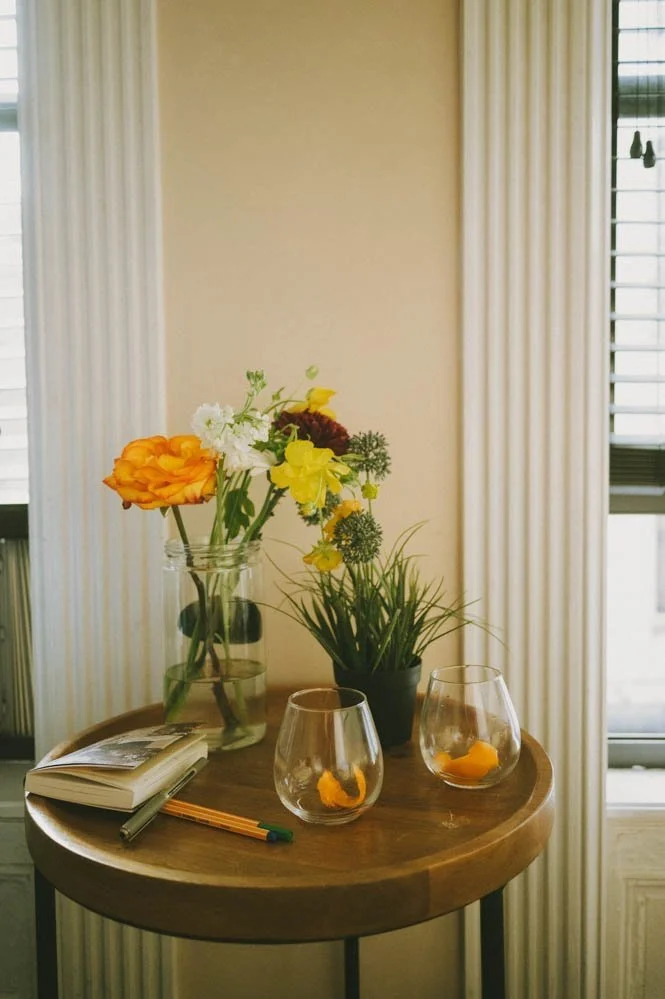
Taking the time to slow down and journal can do wonders for mental health. © Ainsley DS Creative
2. Doodling, Sketching, and Colouring
Simple lines, shapes, or patterns are meditative.
Tips:
Keep a small sketchbook handy (this can be the same book as your journal).
Let your hand move freely, no need for skill, no need to draw something perfectly.
Try timed sessions, 5 minutes of doodling can be surprisingly satisfying.
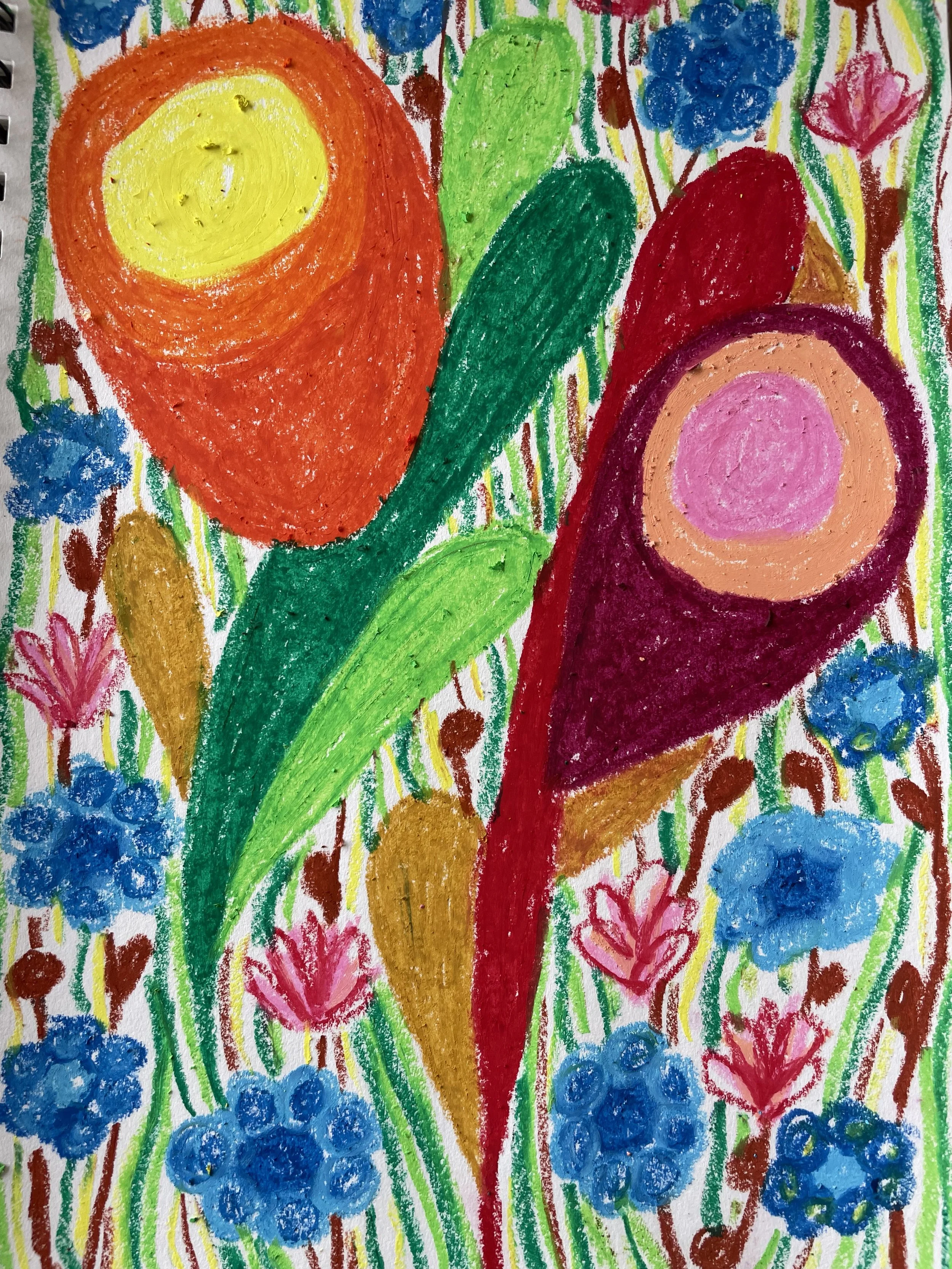
doodles can both constructive and pretty. © Ainsley DS Creative
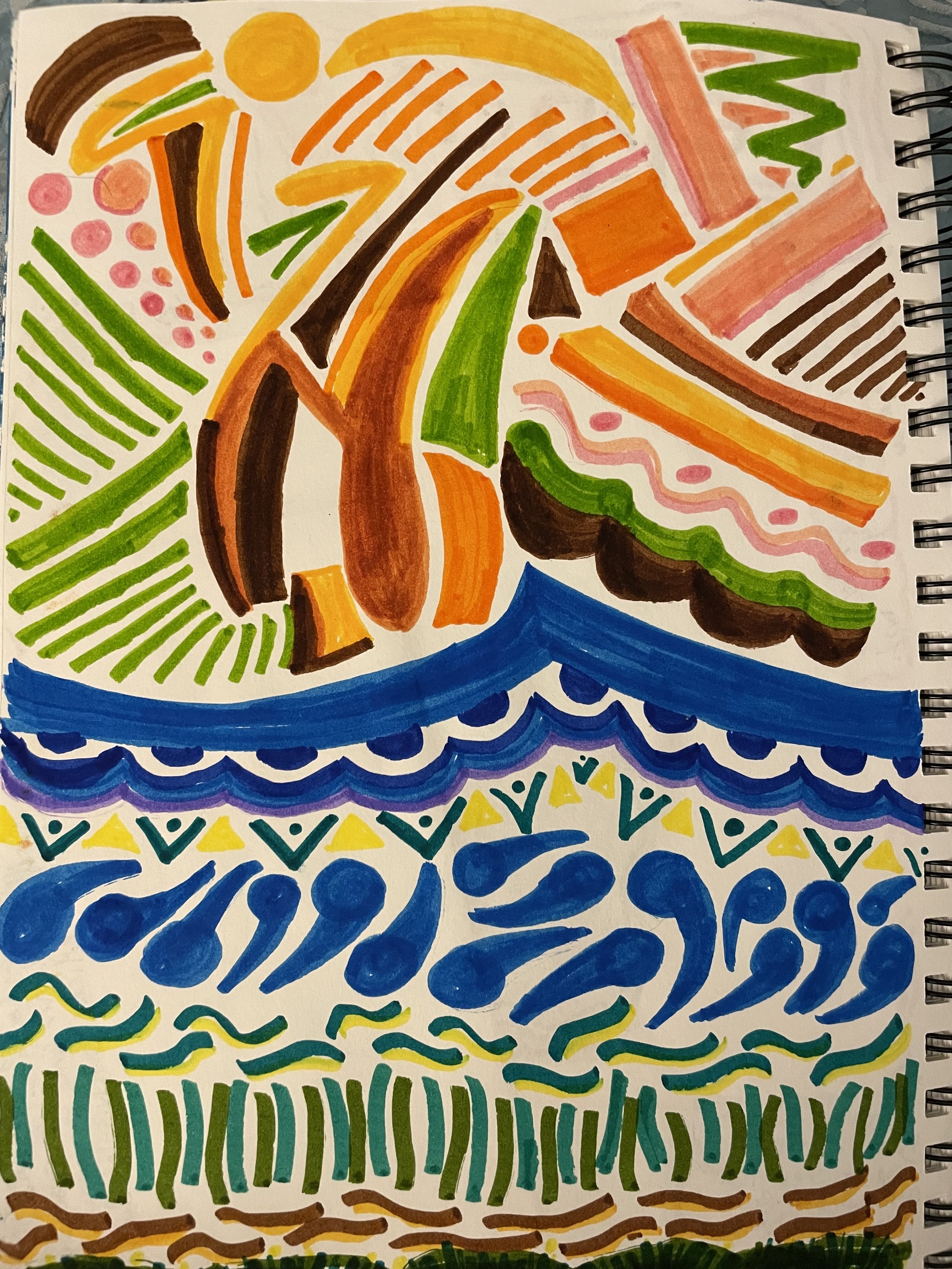
Pastel or felt pen is a great lazy solution for colour. © Ainsley DS Creative
3. Scrapbooking and Memory Keeping
Scrapbooking is a tactile way to tell small stories and capture memories. Collect anything and everything from hospital discharge notes, cards from friends, stickers, dried flowers etc.
Tips:
Work on one page at a time. Try to pick a theme for each one.
Include photos, magazine clippings, ticket stubs, washi tape or anything that will sit on a page nicely.
Make it as messy or as clean cut as you want.
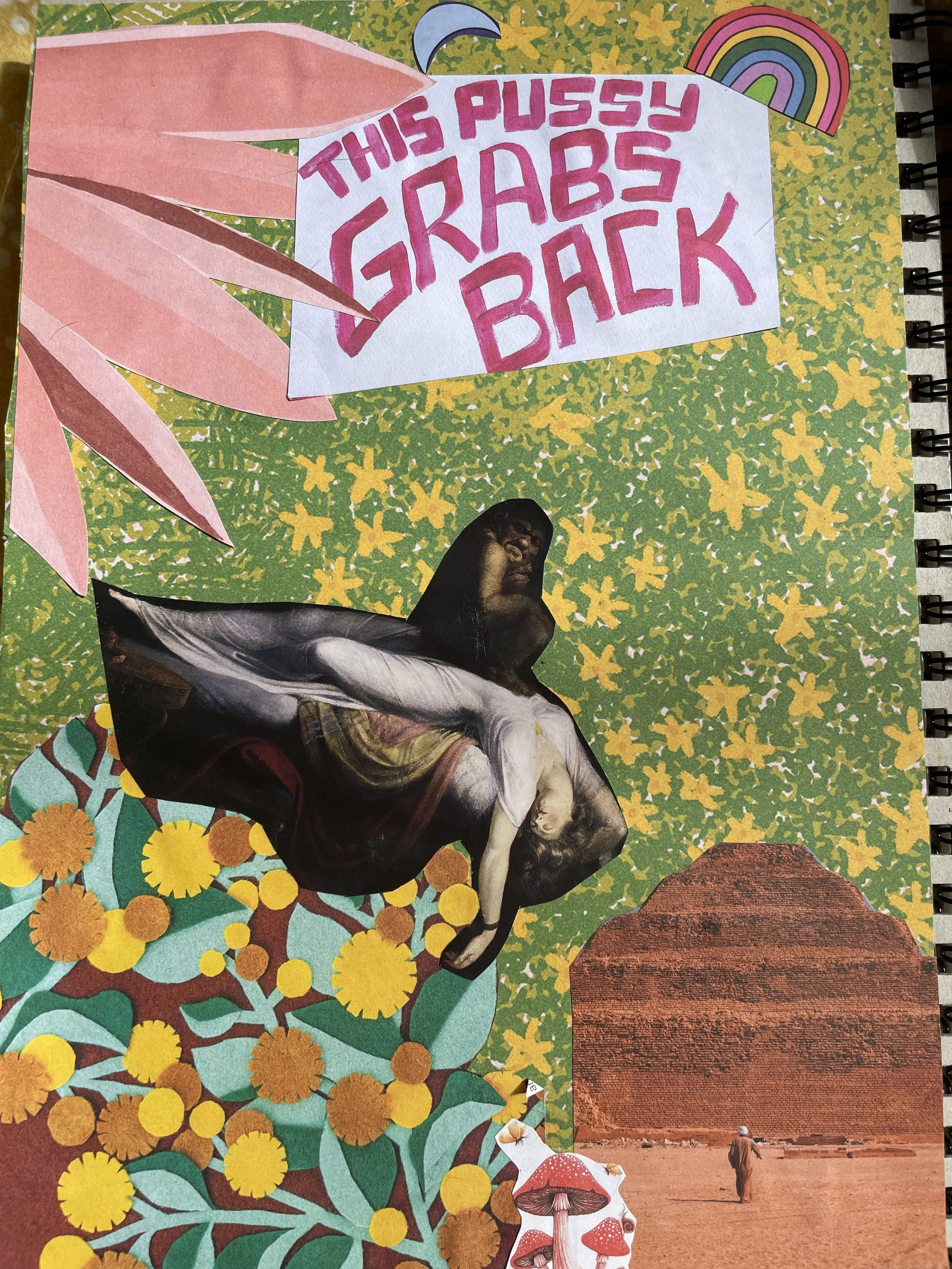
Scraobooks can be as low key or as complicated as you like. © Ainsley DS Creative
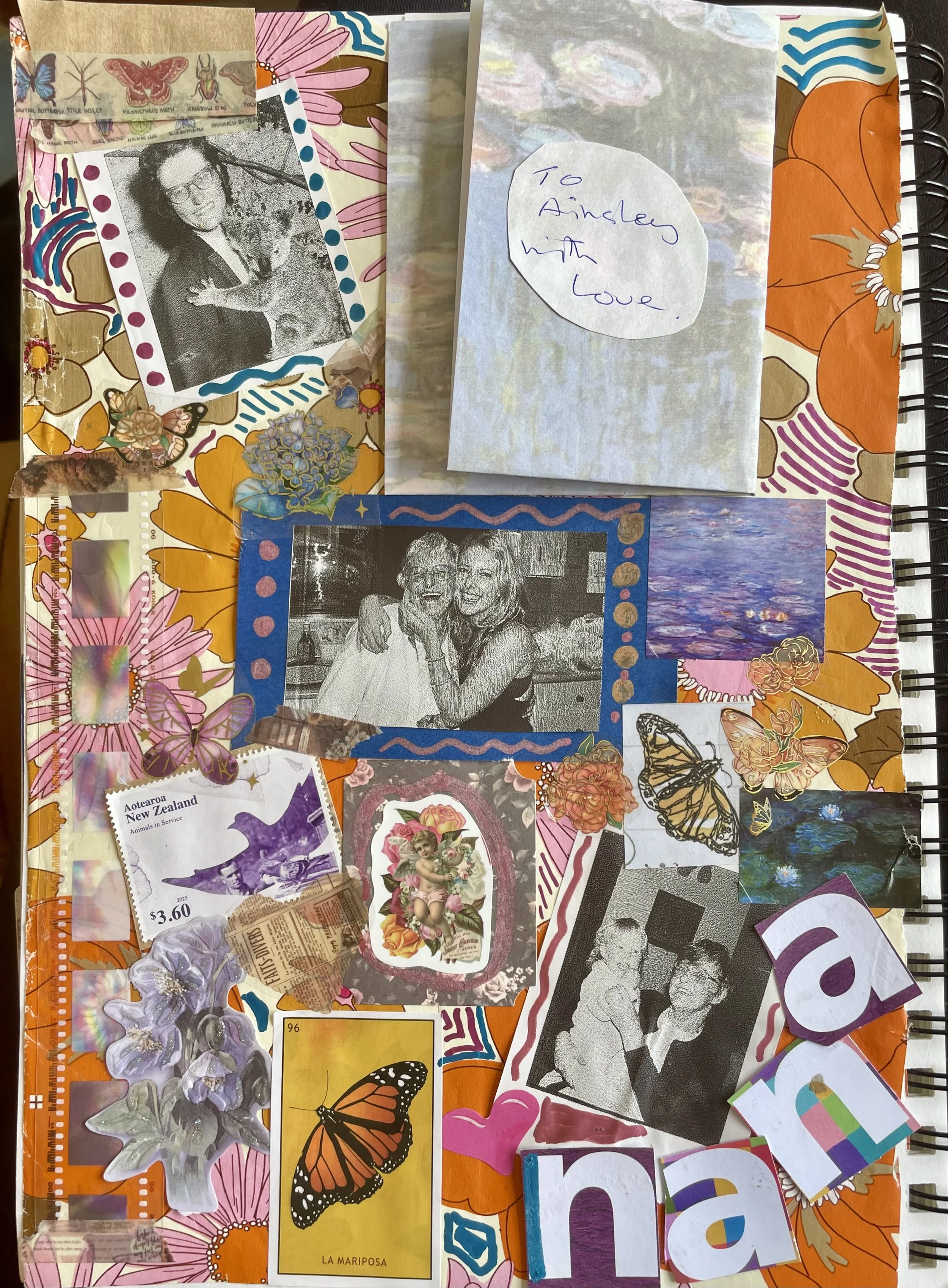
Collages a great way to capture memories. © Ainsley DS Creative
4. Air-Dry Clay Projects
Clay engages your sense of touch and produces tangible results. There are loads of inspo images on Pinterest of things you can make at home. Some include…
Ideas:
Trinket dishes or small bowls
Jewelry holders
Candelabras
Tiny sculptures or ornaments
Tips:
Keep projects small to avoid fatigue.
Use soft clay for easy shaping.
Consider painting them once you are done!
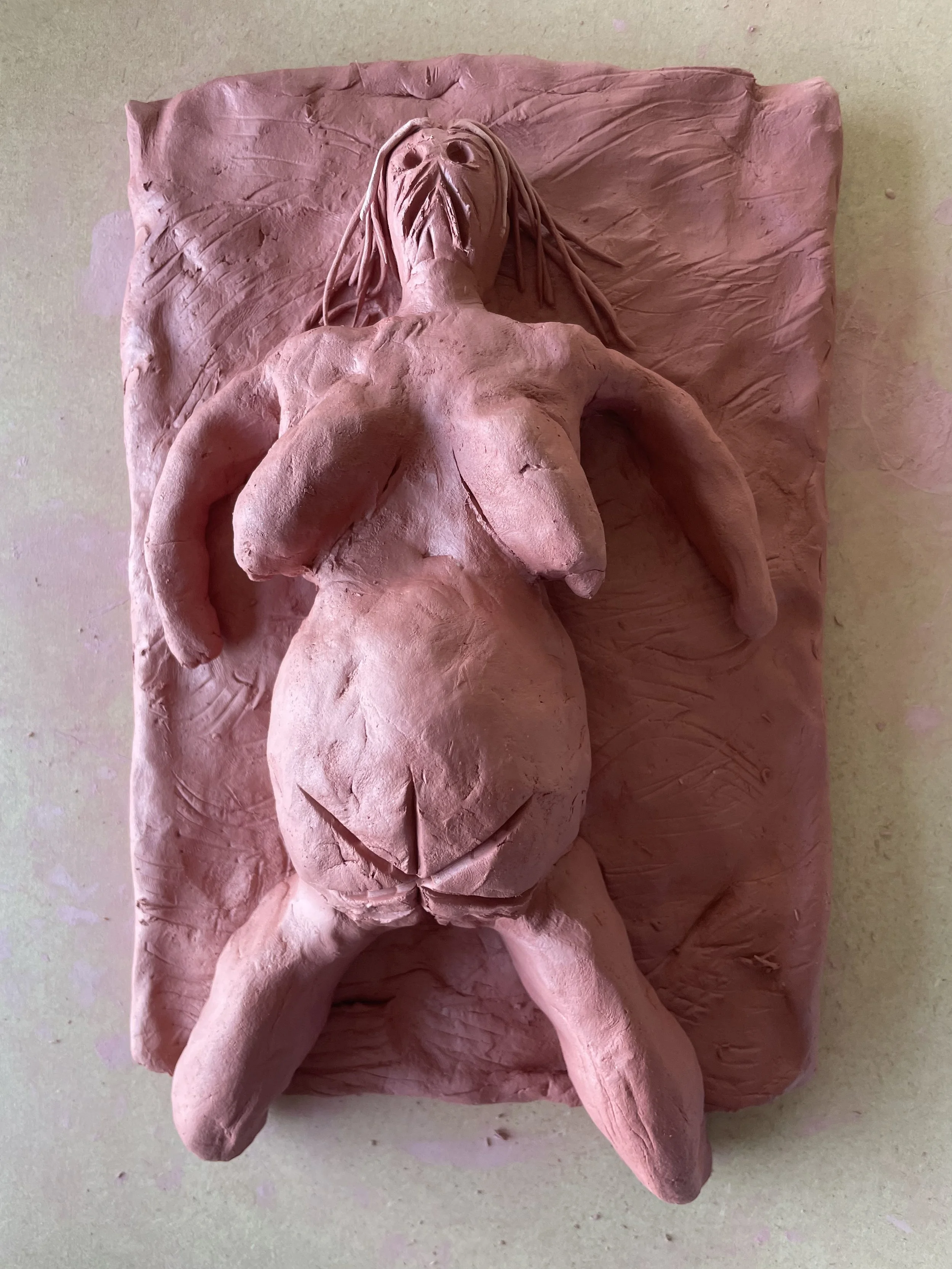
A very disturbing but realistic artistic portrayal of endometriosis for an AUT Art project. © Ainsley DS Creative
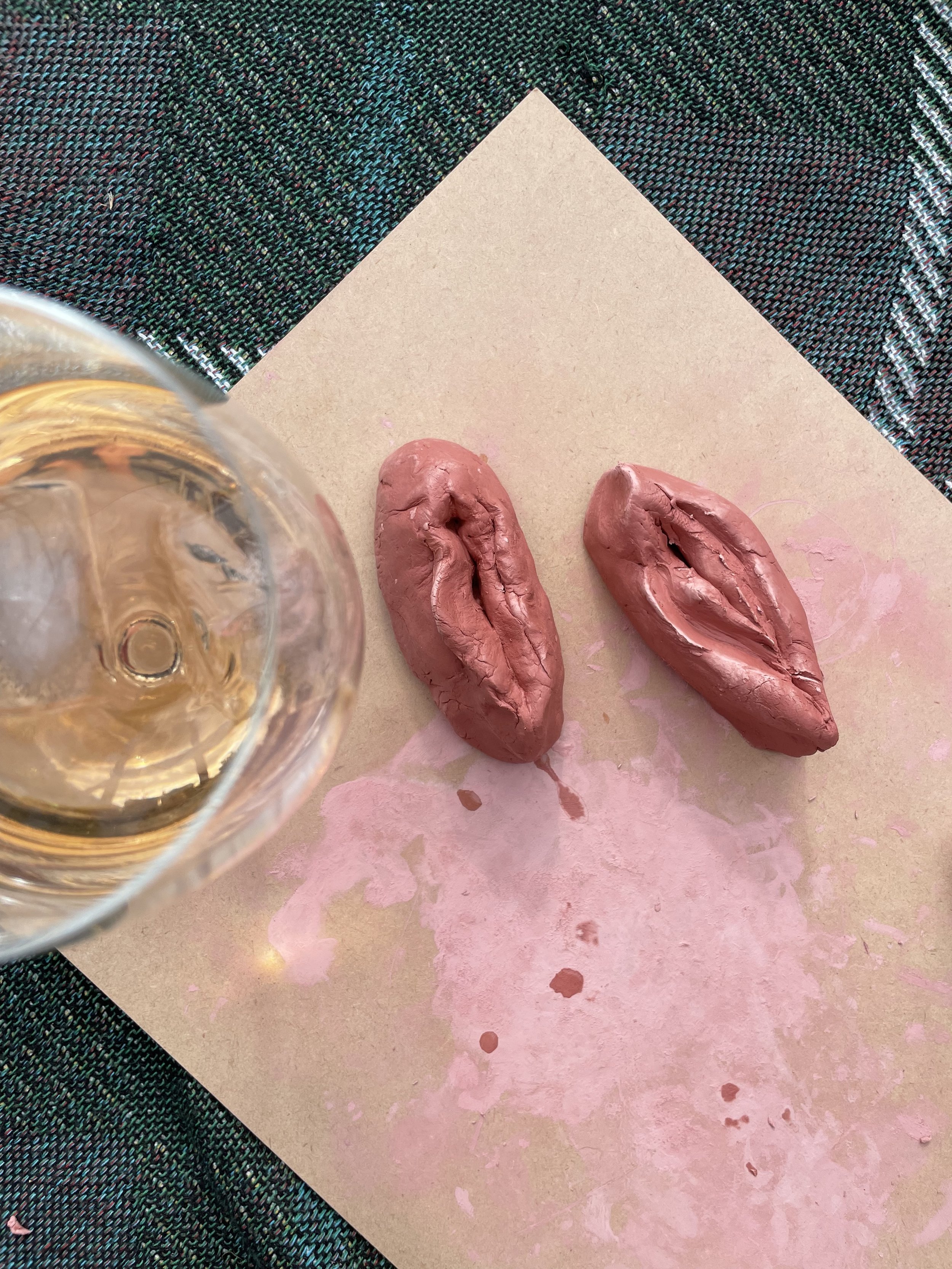
Yes you can literally create anything with air dry clay! ;) © Ainsley DS Creative
5. Knitting and Crocheting
Repetitive crafts like knitting and crochet are calming, low-energy, and beneficial for the brain. There are loads of tutorials and patterns on Youtube to get you started.
Tips:
Start with small projects like coasters, scarves, or squares.
Even one row counts.
Keep materials accessible to work in short bursts.
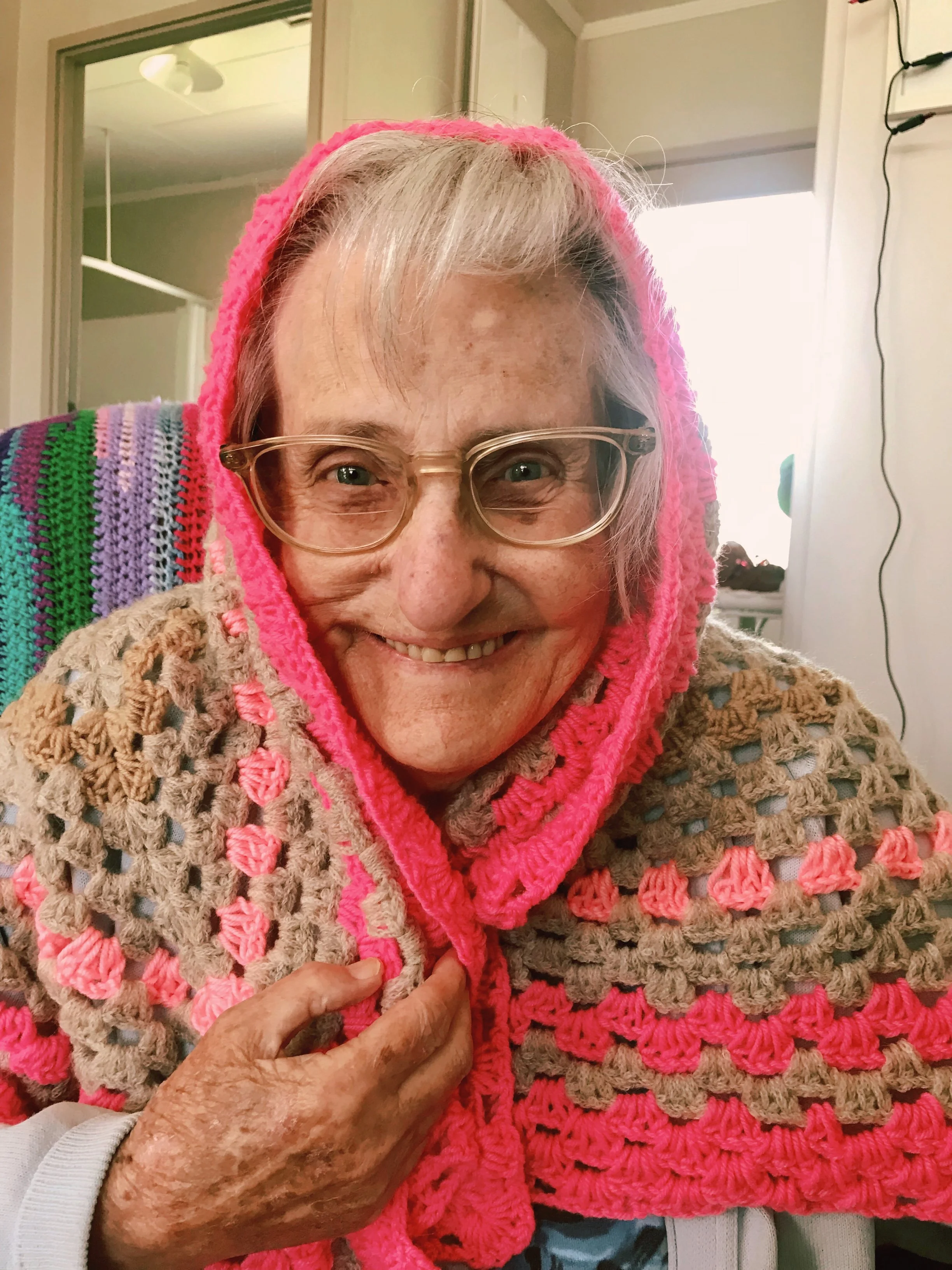
In honour of my beautiful nana who was a crochet queen x
6. Gardening and Plant Care
Gardening for me is the perfect blend of creativity, science, physical work and mindfulness.You can make it as physical or as low energy as you want depending on your energy level each day. Sometimes just repotting or planting a couple of seeds is enough.
Ideas:
Flower arranging
Propagating cuttings
Creating a small indoor garden
Tips:
Sit while gardening if standing is tiring.
Focus on small tasks like watering, trimming, or sowing seeds.

Gardening is a seriously underrated activity for creatives…
An image of me walking through Monet’s garden which inspired a lot of his paintings.
7. Flower Pressing and Herb Preservation
Pressing flowers or herbs is slow, gentle, and rewarding. This is also a beautiful way to tuen those hospital flowers into keepsakes.
Tips:
Use a book or flower press to flatten blooms.
Make bookmarks, journal decorations, or framed art.
Experiment with layering and colour.
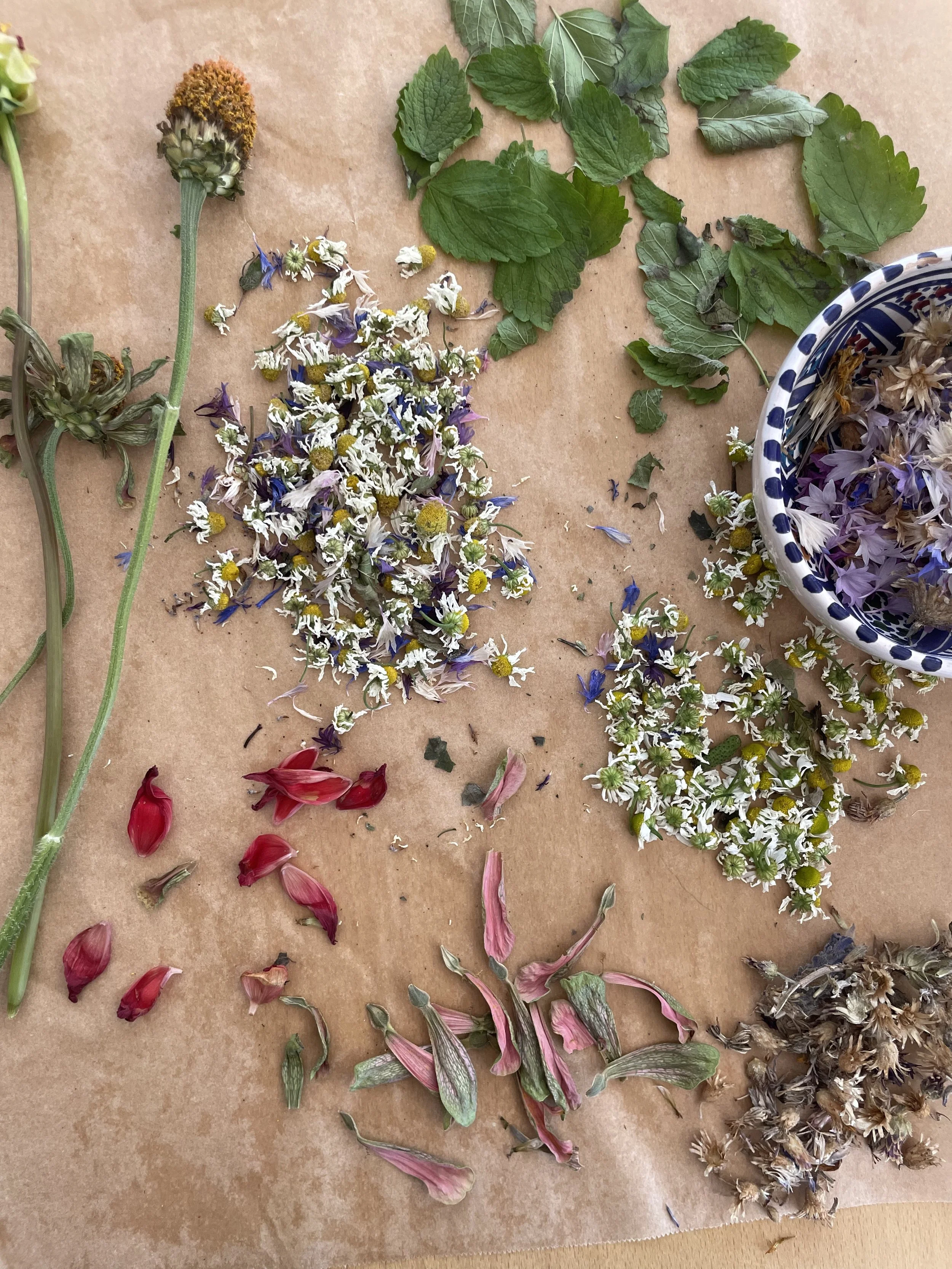
Persevering flowers, making tea and seed collecting can bring so much reward for little effort. © Ainsley DS Creative
8. Home Styling and Mini Upgrades
Even small changes to your space can boost mood and creativity. If home is somewhere you spend a lot of time, something as simple as rearranging your night stand can make a huge difference.
Ideas:
Rearrange books or trinkets
Add plants, flowers, or candles
Style a bedside table or desk
Tips:
Focus on one small area at a time.
Choose objects that bring emotional or aesthetic joy.
Incorporate found objects, natural elements, and op shop keepsakes.
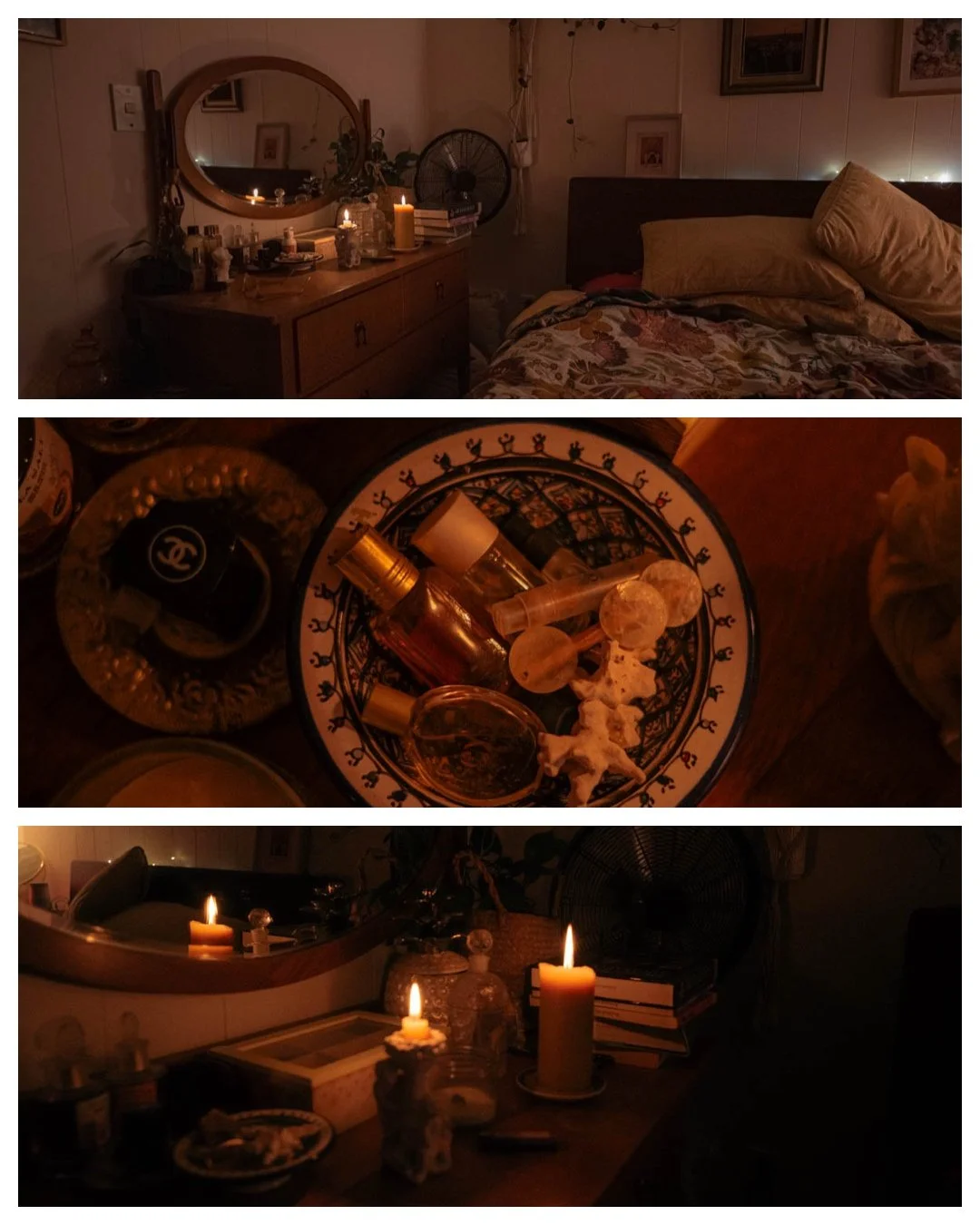
Playing around with your home space is an easy way to get creative without doing too much © Ainsley DS Creative
9. Baking and Cooking as Creative Practice
Cooking can be tactile, sensory-rich, and satisfying. Plus, you get something yummy to eat at the end!
Ideas:
Simple recipes like muffins, cookies, or banana bread
Decorating cupcakes or cookies
Mixing herbs or spices in teas
Tips:
Prep ingredients in advance to reduce effort.
Focus on enjoyment, not perfection!

Muffins are a great treat to share
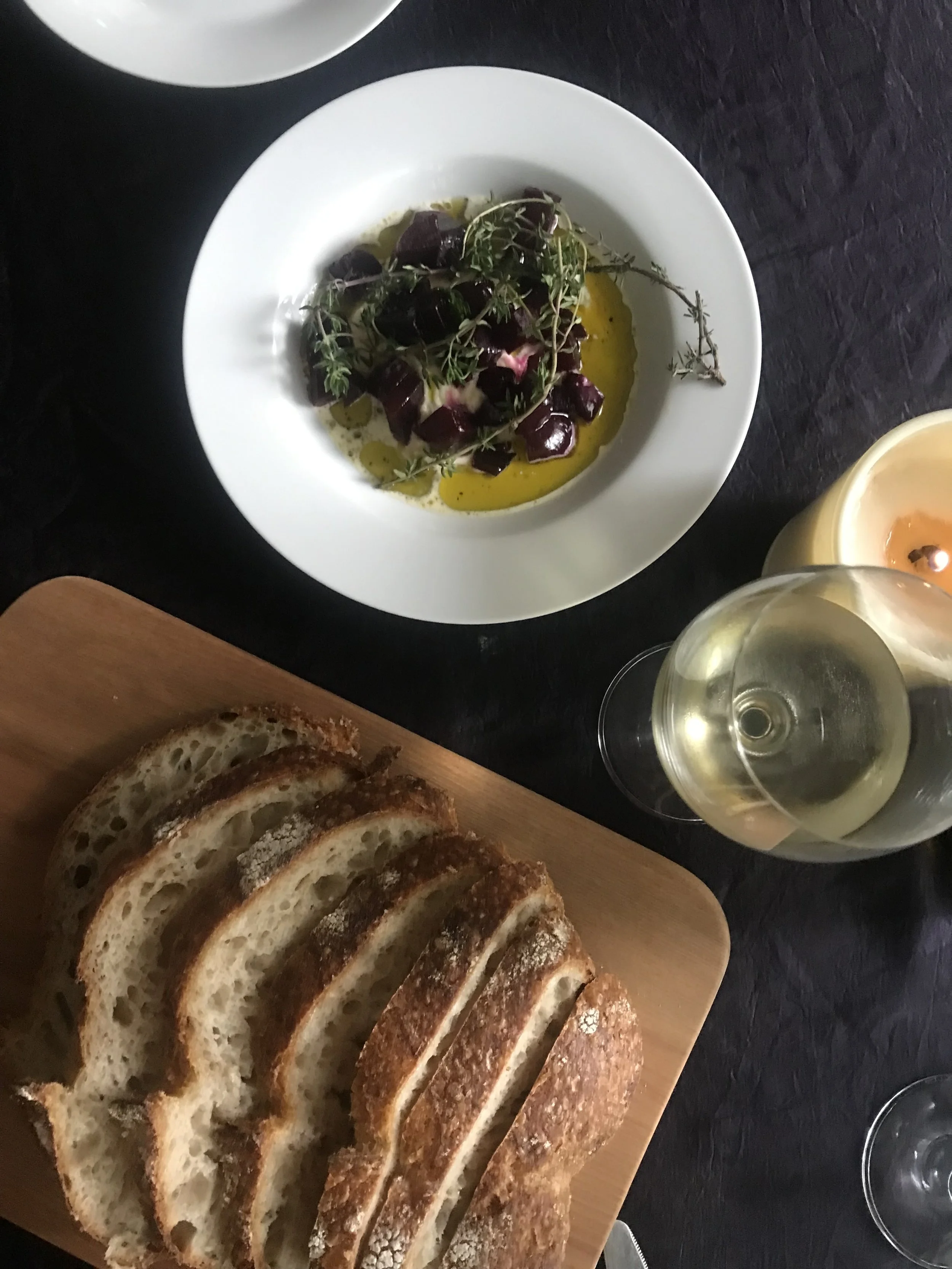
Sometimes simple recipes are the yummiest.
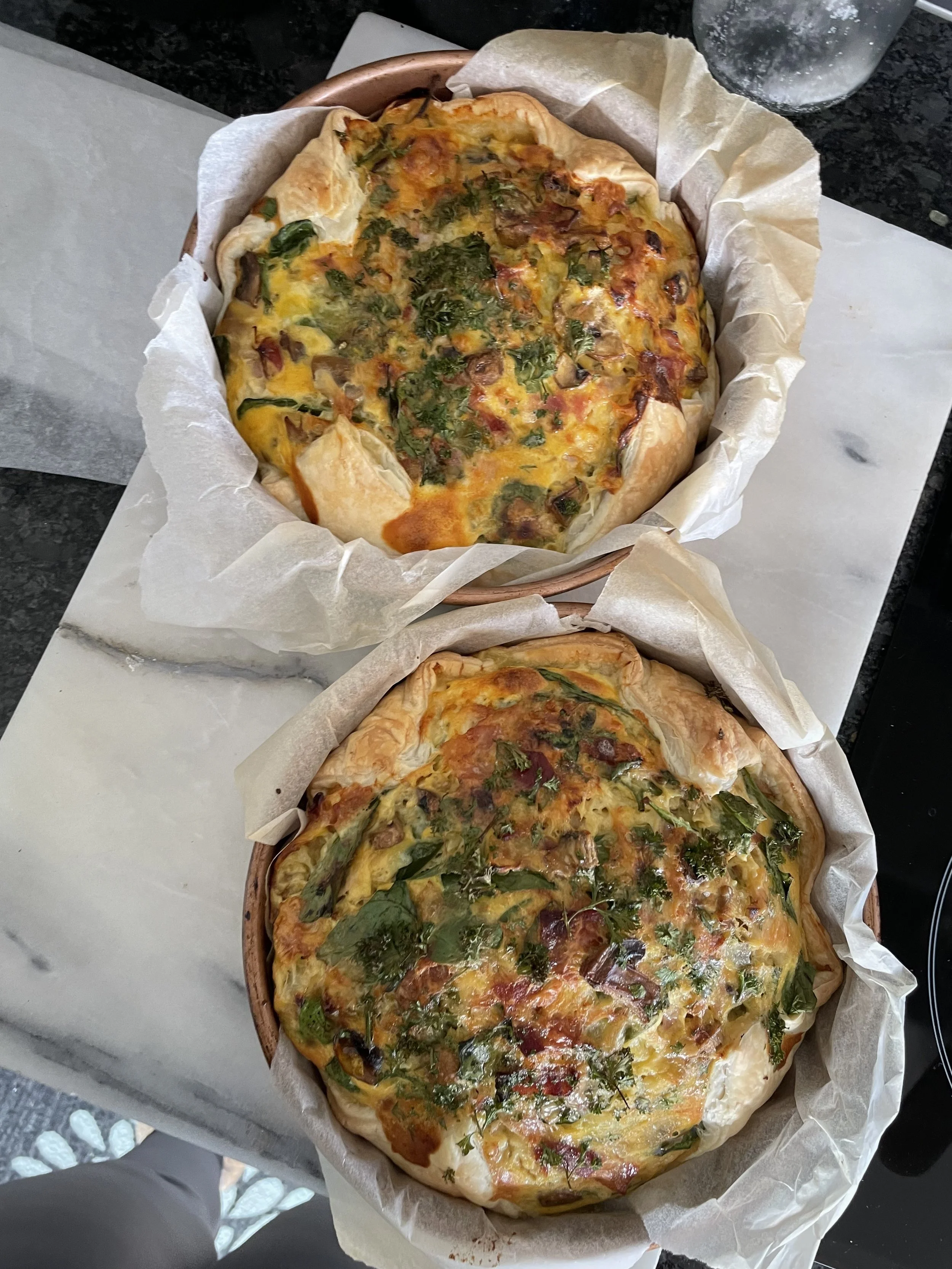
Trying new recipes is a win for creativity and your tummy.
10. Embroidery, Cross-Stitch, or Simple Textile Crafts
Slow, repetitive needlework strengthens focus and calm. Plus you can get super creative with small effort!
Tips:
Start with small motifs like a leaf, heart, or star.
Use soft threads to avoid hand strain.
Even one stitch at a time counts.
11. Curating a Comfort Basket or Mindful Objects
Collect items that bring joy and comfort.
Ideas:
Tea blends, small journals, cozy socks, or candles
Crystals, stones, or decorative objects
Keep it by your bed or couch or flare up days.
Tips:
Rotate items seasonally.
Focus on texture, colour, and sensory appeal.

It doesn’t have to be anything luxurious, but a simple basket full of goodies can be a good space to spread some creativity © Ainsley DS Creative
12. Tiny Art Installations
This is a cute and simple way to bring a dose of art love into your home. Arrange objects or natural items into small, creative vignettes.
Tips:
Rotate items daily to keep things fresh.
Photograph your composition if you want to preserve it.

Sometimes creativity is as simple as placing a new vase of flowers somewhere different. © Ainsley DS Creative
13. Creative Lists and Mind Maps
Lists are simple but powerful creative exercises.
Ideas:
Gratitude lists, tiny joys, or future dreams
Mind maps for projects, trips, or hobbies
Tips:
Use colourful pens and stickers to make it playful.
Even one list item counts.
14. Music-Based Creativity
Music is such an underrated healer- whether you are creating it, signing to it or moving to it. There is something magical in those notes.
Songwriting: Pen a few lines, even if just thoughts or feelings.
Singing: Hum, belt, or quietly sing along to favourite tunes.
Dancing or Movement: Gentle stretching, swaying, or seated dance, moves your body, lifts mood, and releases tension.
Tips:
Focus on fun and expression, not performance.
Even a few minutes can lift mood and engage your senses.
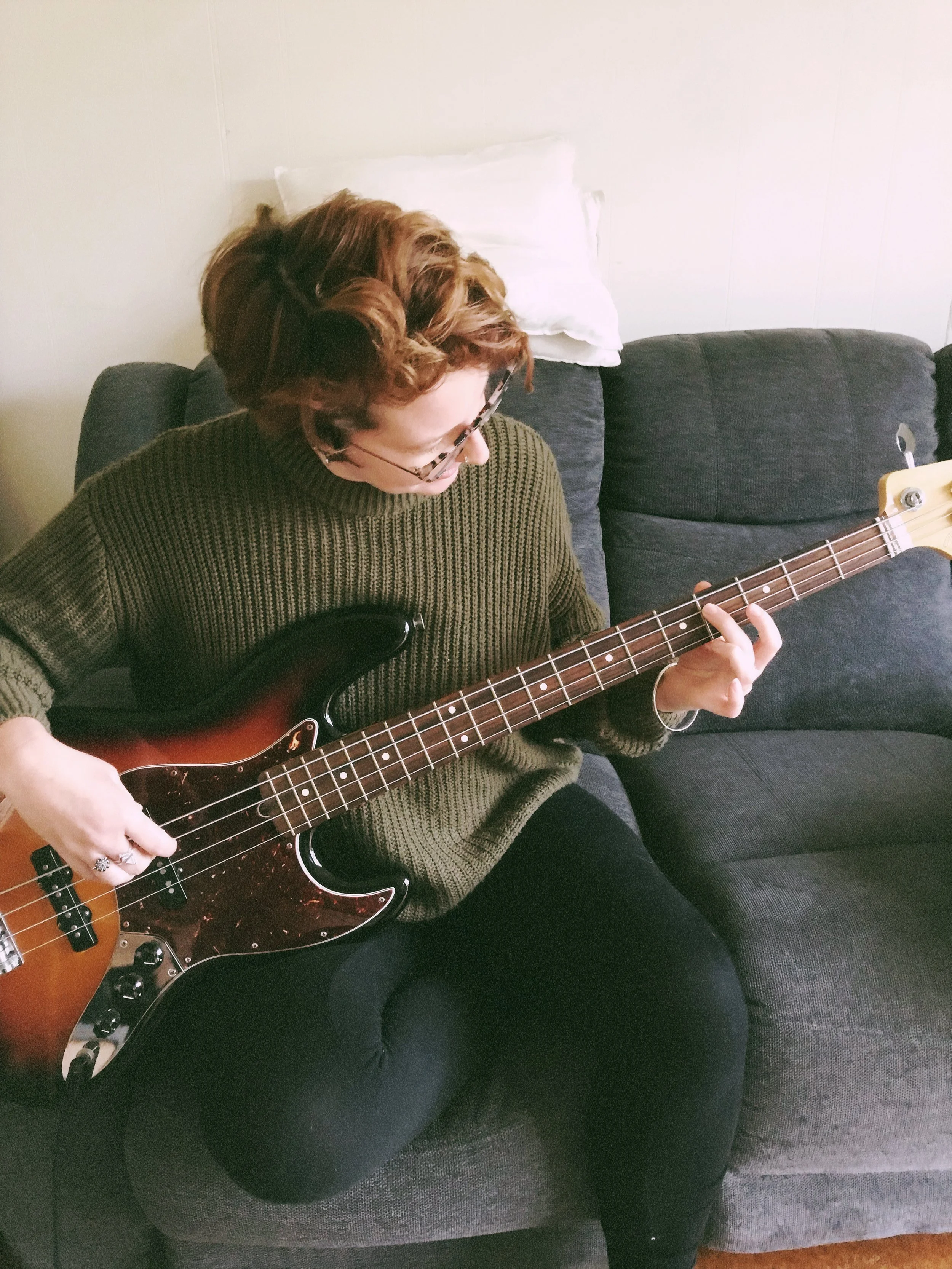
Playing a few notes can boost your mood. © Ainsley DS Creative

Ukelele’s are great inexpensive instruments that sound beautiful and are easy to learn © Ainsley DS Creative
15. Watercolour or Acrylic Painting
You don’t need a full studio or hours of prep. Sometimes it's as easy as getting out some cheap paints and having a play.
Paint in a journal or on a small canvas
Experiment with colours, textures, or abstract shapes.
Focus on the process, not perfection. Even a few brushstrokes can be calming and satisfying.
Watercolour means brushes are super easy to clean afterwords
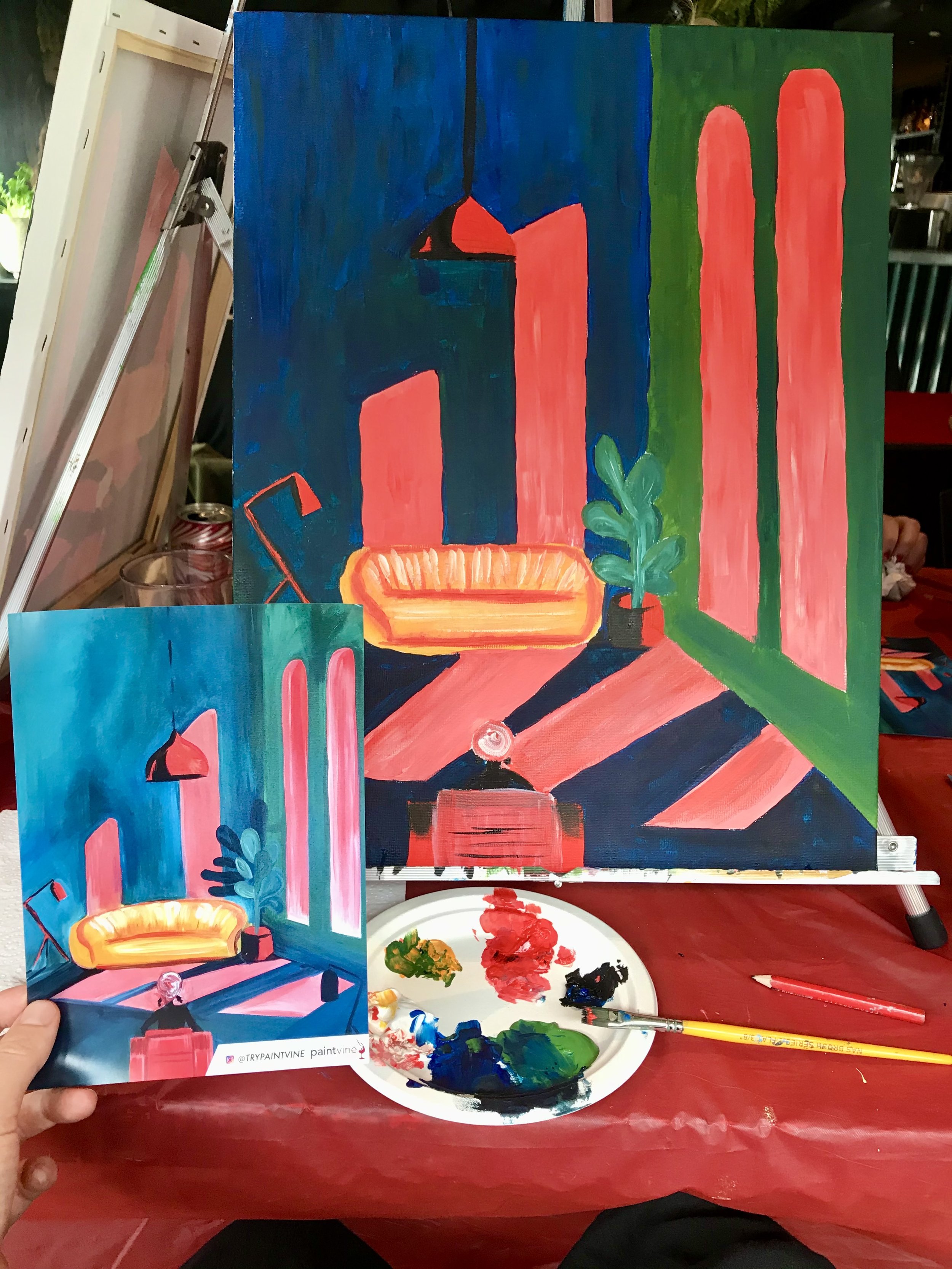
Painting is a fun, low-energy way to get some creativity out. © Ainsley DS Creative
How to Make Creativity a Gentle Habit
Start small: even 5–10 minutes is enough.
Focus on enjoyment, and mindfulness, not productivity.
Match the activity to your energy level.
Keep materials accessible for quick, low-effort sessions.
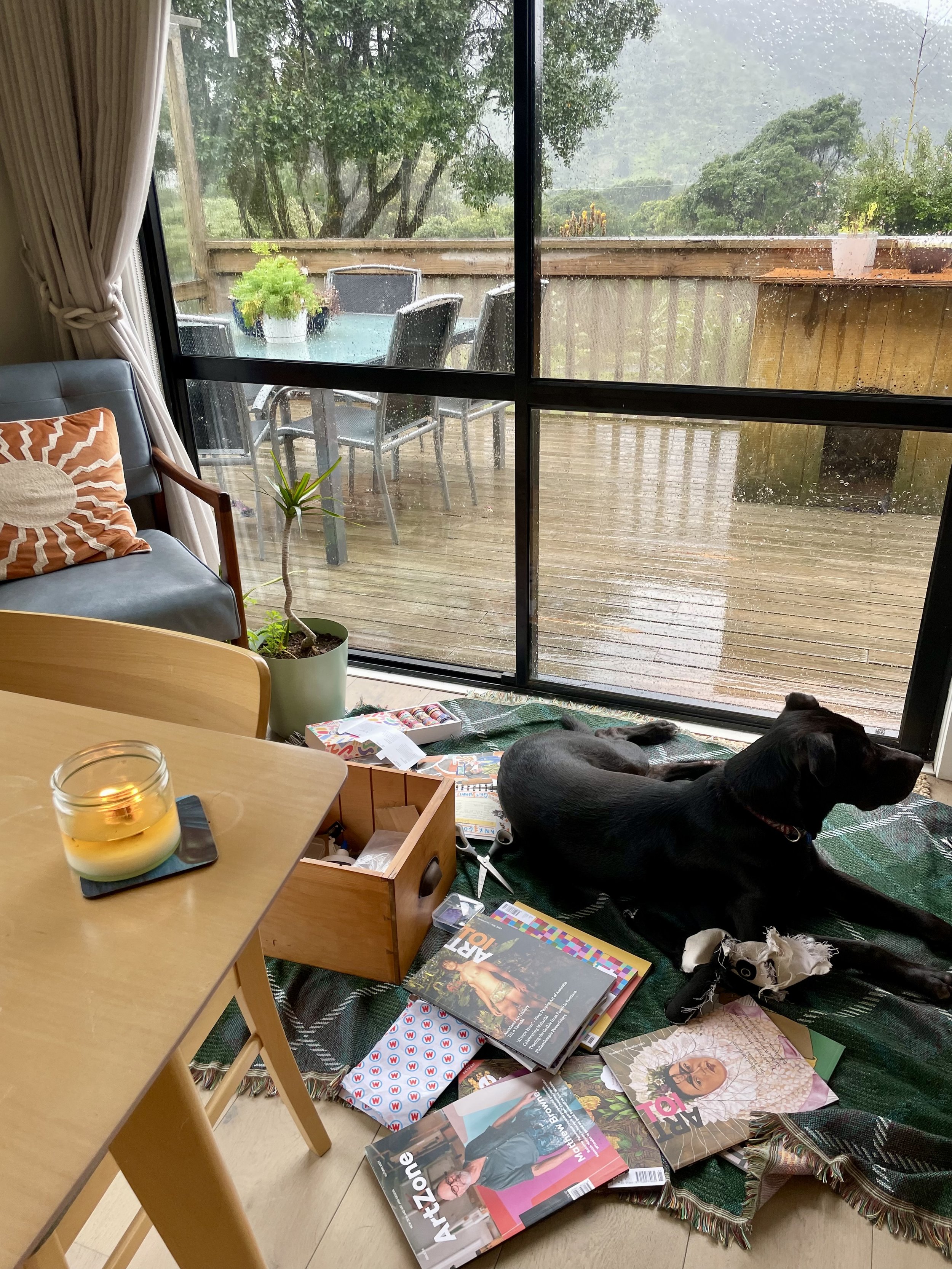
Even just doing a few minutes of craft a day can get you into good habits.
Final Thoughts
Living with chronic illness can feel like you’re constantly losing pieces of your life, but your creativity doesn’t have to be one of them. Small, screen-free projects, whether journaling, painting, knitting, or gardening, can support your brain, soothe your nervous system, and help you reconnect with yourself in a gentle, healing way.
These moments of creative practice don’t need to be long or perfect. Even a few minutes can help you feel grounded, expressive, and alive. They remind you that despite limits, you can still create, explore, and find joy in the process. Over time, these small acts of creativity can become a lifeline- boosting mood, easing stress, and giving you a sense of accomplishment and self-expression.
Your creativity is resilient. It can shift shape, slow down, and adapt to your needs, but it never truly goes away. Embrace it in whatever form feels good for you, and let these small, mindful projects remind you of your own strength and capacity for joy.
If you found this blog helpful or inspiring, share it with a friend- because everyone deserves a little space to create, heal, and feel alive.
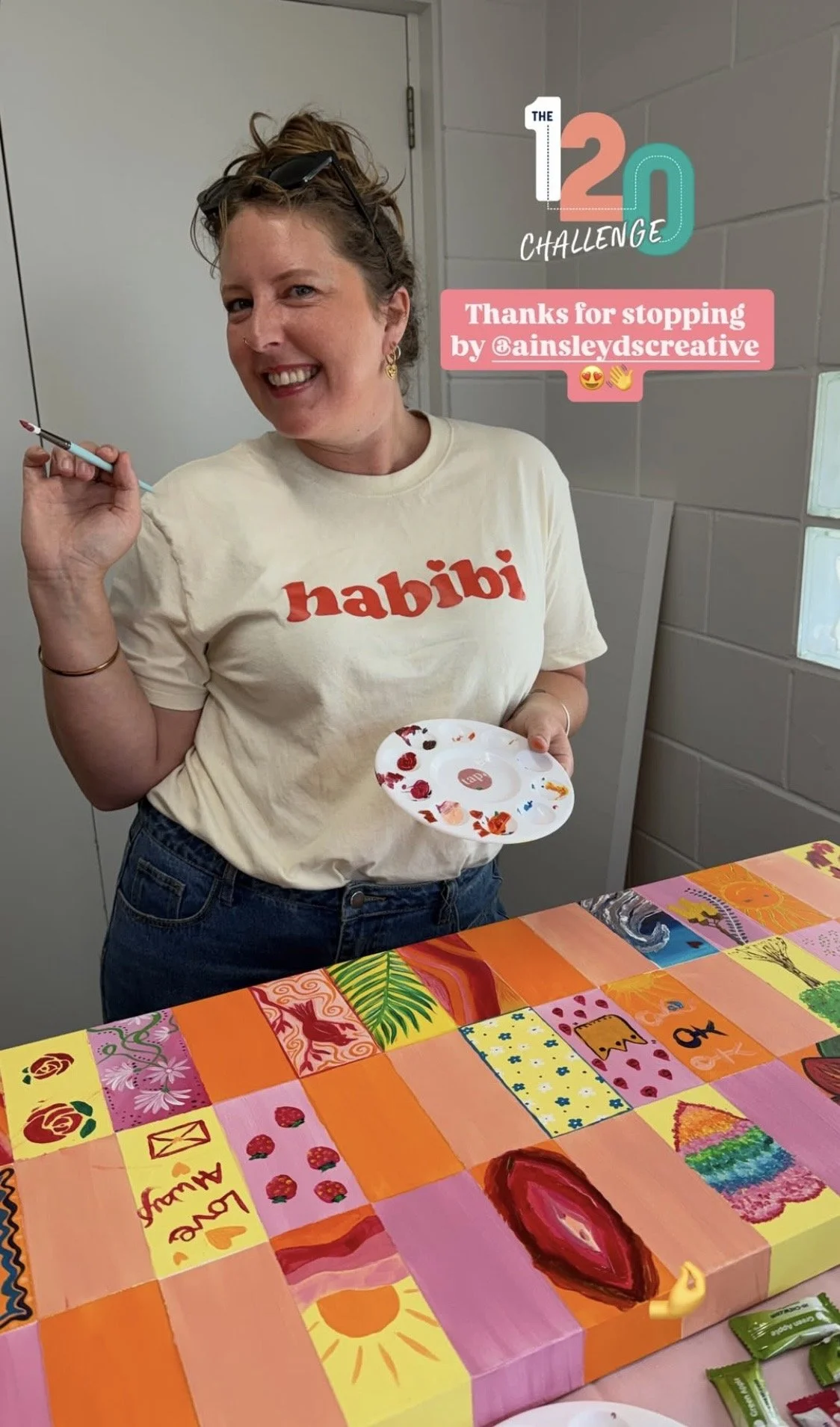
Creating art for endometriosis.
Taking part in the 120 challenge to paint 120 tiles raising money for Endometriosis New Zealand. An awesome initiative organised by TAP Health.

A personal story about endometriosis, chronic illness burnout, and how stopping the constant fight led to acceptance, boundaries, and a gentler kind of healing.